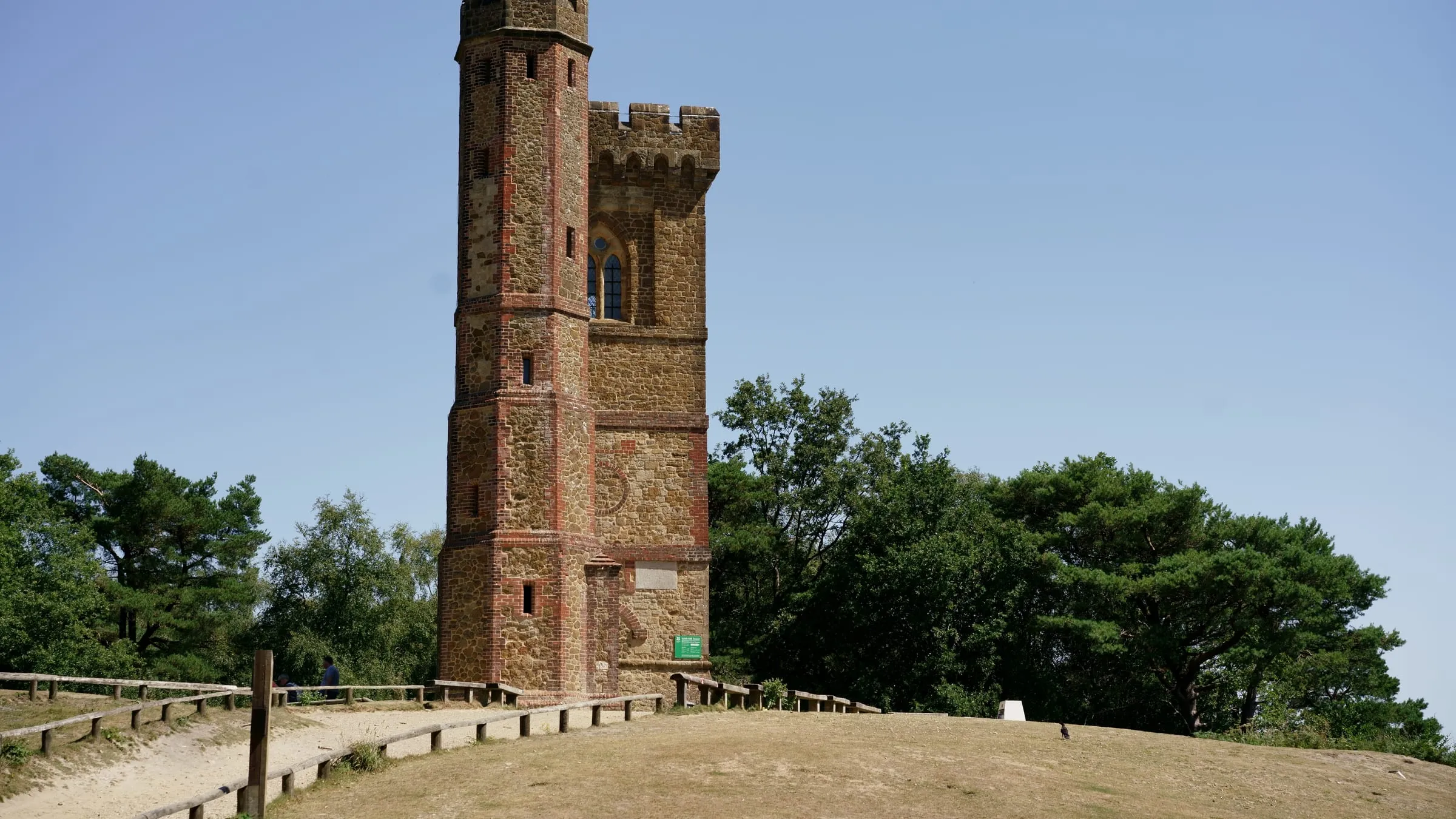
Mole Valley covers Dorking, Leatherhead, Ashtead, Bookham, Fetcham and a long list of villages, from Brockham and Westcott to Capel, Charlwood and Holmwood. It includes some of the most protected countryside in the South East: Box Hill, Ranmore and Leith Hill sit in the Surrey Hills National Landscape, and most of the district outside the towns is Green Belt.
That doesn’t mean you can’t extend. It means the setting will shape what is likely to be approved, and the order in which you make decisions matters more here than almost anywhere else in Surrey.
From 1 April 2027, Mole Valley District Council is replaced by the new East Surrey Council, which takes over planning alongside Elmbridge, Epsom and Ewell, Reigate and Banstead and Tandridge. Mole Valley’s plan is expected to carry across until the new council adopts its own, and a permission you already hold stays valid.
The plans your application is judged against
- The Mole Valley Local Plan 2020 to 2039. Adopted by Mole Valley District Council on 15 October 2024, it replaced the older Core Strategy and saved local plan policies. It is the document your application is judged against, and because it is recent, its policies carry full weight.
- Design guidance. The council has long-standing guidance on house extensions, first published in 2000, and in 2025 it consulted on new local design codes for the built-up areas of Dorking, Leatherhead, Ashtead, and Bookham and Fetcham, which cover house extensions among other things. The council archived some older supplementary documents in July 2026, so check its website for which guidance currently applies to your address.
- Neighbourhood plans. Several parishes and towns in the district have neighbourhood plans, which carry weight in decisions within their areas.
What Mole Valley looks for in an extension
Character. An extension should fit the character of the house and its surroundings. In Dorking’s older streets and the district’s villages, that often means traditional forms and local materials. On a 1960s estate on the edge of town, a contemporary addition can be easier to justify.
Scale. Extensions should be subordinate to the original house. In the Green Belt, scale is judged against the original dwelling, not the house as it stands today.
Neighbours. Daylight, outlook and privacy for adjoining homes.
Views and landscape. In the Surrey Hills, the council looks at how an extension sits in views from the hills and lanes, including its materials, roof form and, increasingly, its glazing and lighting at night.
The setting: Surrey Hills, Green Belt, conservation areas and Article 4
The Surrey Hills National Landscape. Much of the land around Dorking, including Box Hill, Ranmore, Leith Hill and the Mole Gap, sits within it. Permitted development rights are narrower, and the design bar is higher.
Green Belt. Most of the district outside the towns is Green Belt. Extensions there are judged on whether they are proportionate to the original dwelling, meaning the house as first built or as it stood in 1948. Earlier extensions count against what you can add now.
Conservation areas. Mole Valley has 26, with appraisals and management plans for Dorking, Leatherhead, Great Bookham and Little Bookham among others. In a conservation area, permitted development is reduced and a heritage statement should go with the application.
Article 4 directions. In parts of Dorking, Brockham and Leatherhead, Article 4 directions remove some permitted development rights, so some alterations that would normally need no application, such as certain changes to windows, doors, roofs or front boundaries, may need planning permission. Check whether your address is covered before you plan any external work.
Protected habitats. The Mole Gap to Reigate Escarpment Special Area of Conservation runs along the North Downs near Dorking. It mainly affects larger developments, but it is part of why the area around Box Hill is so closely protected.
Permitted development in Mole Valley
Within national limits, some extensions need no planning application. As the rules stand in late 2026:
- single-storey rear extensions up to 4 metres deep on a detached house, or 3 metres on others, with no prior approval;
- larger rear extensions, up to 8 or 6 metres, through prior approval;
- loft conversions of up to 40 cubic metres on terraced houses, or 50 cubic metres on others, with no dormer facing the road;
- single-storey side extensions up to half the width of the original house.
In the Surrey Hills and in conservation areas, side extensions and roof extensions are not permitted development, and cladding is restricted. Article 4 areas remove further rights. Taken together, that covers a lot of homes in and around Dorking, so a lawful development certificate is the safe way to confirm where you stand. Permitted development vs planning permission explains the rules.
Making an application in Mole Valley
Pre-application advice. Check Mole Valley District Council’s website for its current pre-application service and fees. Advice is most useful where the Green Belt, the Surrey Hills or a listed building make the principle uncertain.
Validation. Applications must meet national requirements and the council’s local list. In the Green Belt, include a clear comparison of the original and proposed floor area or volume. In a conservation area or the Surrey Hills, a design and heritage statement helps the officer understand why the scheme fits.
Timescales. The statutory target for a householder decision is eight weeks from validation.
Our work in Mole Valley
We are based in Woking, about half an hour from Dorking, and we are currently working on homes in Dorking and the villages around it, from first Clarity Packs to planning applications. Our Dorking page explains how we approach planning, cost and choosing a builder in the area.
The houses we see most often in Mole Valley
Older houses in Dorking and Leatherhead. Victorian and earlier houses, many in conservation areas or Article 4 areas, where even small external changes need care.
Village and rural homes. Cottages and farmhouses around Westcott, Brockham, Capel and the Holmwoods, often in the Green Belt and the Surrey Hills, where proportionality and materials decide most applications.
Twentieth-century family houses. In Ashtead, Bookham and Fetcham, and on the edges of Dorking, semis and detached houses with room at the back, where a well-planned rear extension or loft conversion is often straightforward.
After planning: the steps people forget
Planning permission is only the first approval. Before building starts you will also need:
- Building regulations approval. This covers structure, fire safety, insulation, ventilation and drainage. You can use the local authority building control service or a registered building control approver. Planning drawings are not enough to build from: the structure, the details and the specification need working out first.
- Party wall agreements. If the work involves a shared wall, or digging foundations close to a neighbour’s, the Party Wall etc. Act 1996 requires you to serve notice on them. Leave time for it, because a neighbour can take several weeks to respond.
- Planning conditions. Many Mole Valley permissions come with conditions, such as matching materials or obscured glazing to side windows. Some must be discharged before work starts.
Sorting these in the right order is what keeps a project on programme once the planning decision arrives. Planning permission vs building regulations explains the difference.
How we approach a Mole Valley project
In Mole Valley, several protections often land on one plot at once: Surrey Hills, Green Belt and a conservation area is not unusual. So we start by mapping which apply, then read the planning history and the policies that actually bear on your house, and look at what the council has permitted and refused nearby.
Usually one move carries most of the risk. A kitchen pushed out at the back of a house in the National Landscape is a different proposition from the same kitchen in a cul-de-sac on the edge of Leatherhead. Once you know which move is the risky one, you can change it, build the case for it, or phase the work so the certain part goes first. What you should not do is submit and hope, because a refusal and a resubmission can cost the best part of a year.
The Clarity Pack does this before design, alongside the structure and the likely cost bands. For older homes, our heritage and conservation page explains how we approach consent.
Questions people ask about planning in Mole Valley
Which local plan applies in Mole Valley? The Mole Valley Local Plan 2020 to 2039, adopted on 15 October 2024, together with any neighbourhood plan for your area.
Can I extend a house in the Green Belt around Dorking? Often, if the addition is proportionate to the original building. Earlier extensions count, so the planning history matters.
What is an Article 4 direction? A direction that removes some permitted development rights in a defined area. In parts of Dorking, Brockham and Leatherhead, changes that would normally need no application may need planning permission.
Who will decide my application after April 2027? East Surrey Council. A permission you already hold stays valid.
Where to start
Book the free 15-minute Clarity Call. We’ll talk through your home, the protections that apply and whether the Clarity Pack would help. For the general rules, see do I need planning permission for an extension?