Architects in West Surrey
From 1 April 2027, six borough councils in the west of the county become one: West Surrey Council. If you live in Guildford, Woking, Waverley, Surrey Heath, Runnymede or Spelthorne, that is the council that will decide your planning application from then on.
We are based on the High Street in Woking, in the middle of West Surrey, and we work across the whole of the new council area.
Which areas are in West Surrey
West Surrey Council brings together these six boroughs:
- Guildford: Guildford itself, Ash, Shalford and the Horsleys
- Woking: Woking, Horsell, Knaphill, Byfleet and West Byfleet
- Waverley: Godalming, Farnham, Haslemere and Cranleigh
- Surrey Heath: Camberley, Bagshot, Chobham, Lightwater and Windlesham
- Runnymede: Egham, Chertsey, Addlestone and Virginia Water
- Spelthorne: Staines-upon-Thames, Ashford, Sunbury and Shepperton
Elmbridge, which includes Cobham, Esher and the Moleseys, joins East Surrey Council instead. We work there too: see our page on Cobham, Esher and Elmbridge. Just over the county boundary, we also take on projects in Fleet, Farnborough and Bordon in Hampshire, where the Hampshire districts decide planning under their own plans.
What the change means for your project
For most homeowners, less than you might think. Planning permissions already granted stay valid. Until West Surrey Council adopts its own local plan, the existing borough plans and design guidance are expected to carry across. The things that decide most householder applications, such as the Green Belt, conservation areas, the Surrey Hills National Landscape and flood risk along the Thames and the Wey, do not change with the name on the letterhead.
What will change is who you deal with, and over time the policies themselves. Six sets of design guidance will gradually become one. We will keep this page up to date as West Surrey Council publishes its plans.
The rules in each borough today
Until West Surrey Council writes its own plan, each part of the new council keeps its own local plan and design guidance. These are the documents a householder application is judged against now:
- Guildford: the Local Plan Strategy and Sites (2019) and the Development Management Policies (2023), with the Residential Extensions and Alterations guidance of 2018. More on our Guildford page.
- Woking: the Core Strategy (2012) and the Development Management Policies (2016), with guidance on outlook, amenity, privacy and daylight that includes the 45-degree test. More on our Woking page.
- Waverley: Local Plan Part 1 (2018) and Part 2 (2023), with the Residential Extensions guidance of 2010, and in Farnham the Neighbourhood Plan on top. More on our Farnham page.
- Runnymede: the 2030 Local Plan, adopted in 2020.
- Surrey Heath and Spelthorne: both have been replacing their local plans, so it is worth checking which policies apply on the date your application goes in.
Most of these documents ask similar questions: is the extension in keeping with the house and the street, does it stay subordinate to the original building, and does it leave the neighbours with their light, outlook and privacy. The detail differs, and the detail is often what decides a borderline case.
The setting does a lot of the deciding
Much of West Surrey is Green Belt. A large part of Guildford and Waverley sits in the Surrey Hills National Landscape. Older towns like Farnham, Godalming and Guildford have conservation areas at their centres, and the land along the Thames in Runnymede and Spelthorne carries flood risk.
Each of those changes what is likely to be approved and how an application needs to be put together. It is worth knowing early which apply to your street, before anyone spends money on detailed drawings. That is often the difference between an application that goes through and one that comes back.
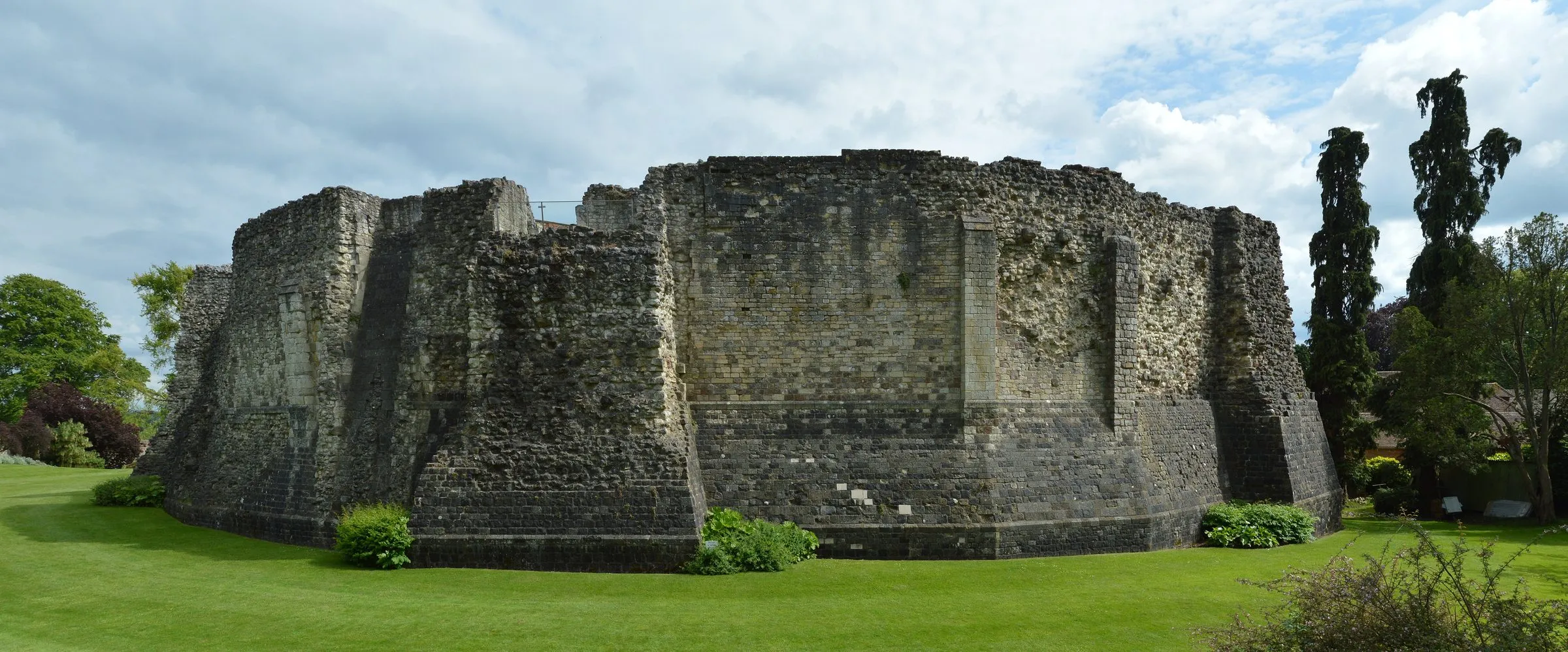
Farnham Castle keep. Farnham’s centre is a conservation area, where materials, rooflines and street elevations carry extra weight. Photograph: Lewis Hulbert / Wikimedia Commons, CC BY-SA 3.0.
What we see most often
Bungalows with small rooms and a poor connection to the garden, like the ones we have reworked in Horsell and Chobham. Family houses that need another bedroom and have nowhere obvious to put it. Townhouses where the roof is the only way to grow. And older homes where any change has to sit comfortably with what is already there.
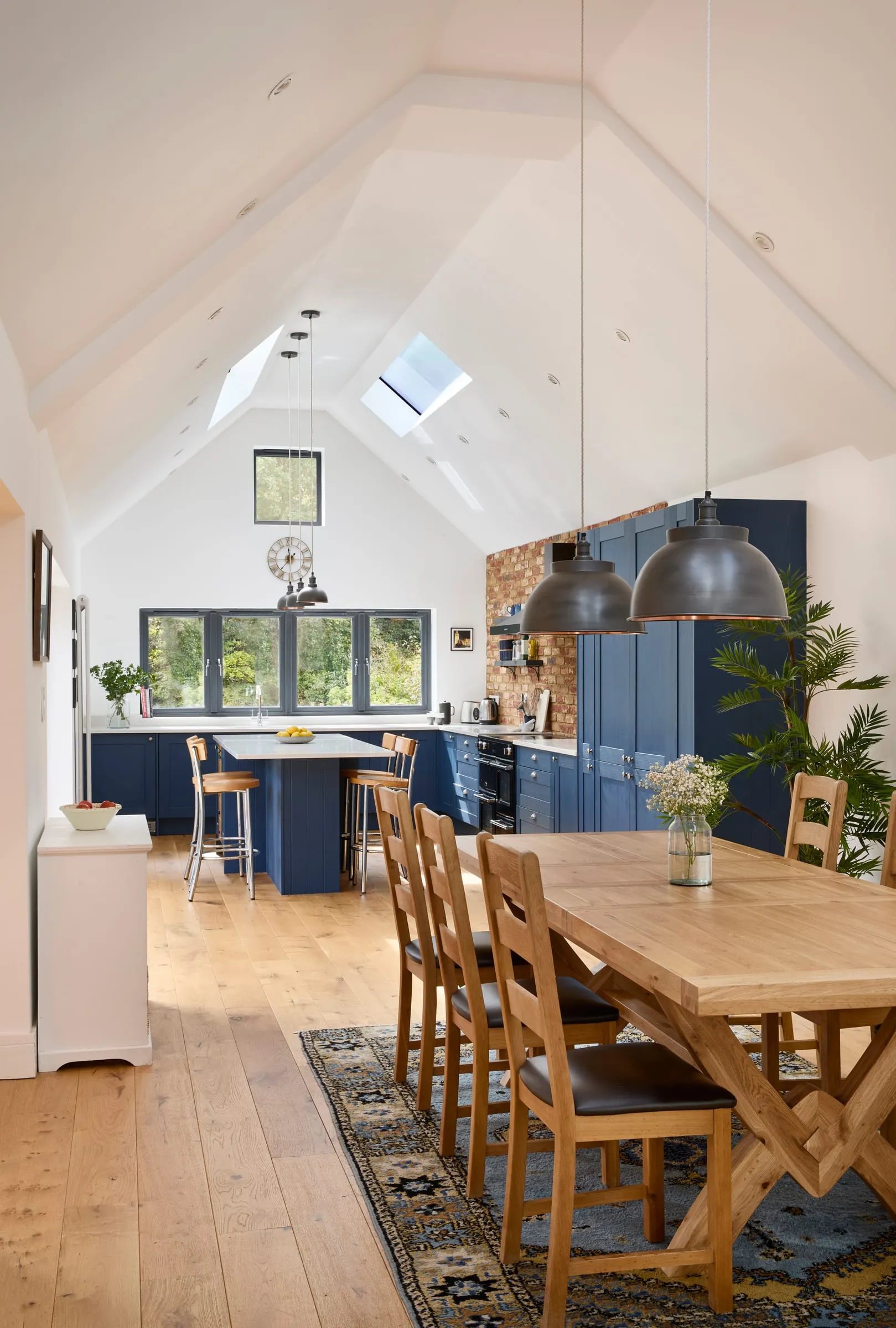
The Chobham bungalow renovation, in Surrey Heath: internal walls removed, the ceiling vaulted and a modest rear extension added. Photograph: Darren Chung.
In each case the first question is the same: what is actually making daily life harder? Sometimes the answer is an extension. Sometimes it is a better layout inside the walls you already have, which is cheaper and quicker.
Starting a project in West Surrey
Every project starts with the free 15-minute Clarity Call. If there is something worth testing, the Clarity Pack works through what is realistically achievable on your home, the planning position, the structure and the likely cost bands, before you commit to drawings or builders.
For more on the towns we know best, see our pages on Woking, Guildford and Farnham.
Our planning guides go borough by borough: Woking, Guildford, Waverley, Surrey Heath, Runnymede and Spelthorne.
Nearby: Architects in Dorking and Mole Valley, Architects in East Surrey, Architects in Cobham, Esher and Elmbridge, Architects in Farnham, Architects in Godalming, Architects in Guildford, Architects in Woking.
Planning guides for this area
What each council asks of a householder application, borough by borough:
- Extending your home in Woking (Woking Borough Council)
- Extending your home in Guildford (Guildford Borough Council)
- Extending your home in Waverley (Waverley Borough Council)
- Extending your home in Surrey Heath (Surrey Heath Borough Council)
- Extending your home in Runnymede (Runnymede Borough Council)
- Extending your home in Spelthorne (Spelthorne Borough Council)
Questions people ask
Who will decide my planning application after 1 April 2027?
West Surrey Council. Until 31 March 2027 your borough council decides it as now. From 1 April 2027 the new unitary council takes over planning for all six borough areas.
Does a planning permission I already have still count?
Yes. A planning permission goes with your home, not with the council that granted it, so it stays valid for its normal time limit and conditions.
Will the planning rules change on 1 April 2027?
Not overnight. Until West Surrey Council adopts its own local plan, the existing borough plans and design guidance are expected to carry across, as plans did in earlier reorganisations elsewhere. We will update this page as the council confirms its arrangements.
Should I wait until the new council is in place before applying?
Usually not. Applications made before April 2027 are decided under the current arrangements. What matters more is that the scheme is right for your house and its setting, and that is the same either way.
Work in and around West Surrey
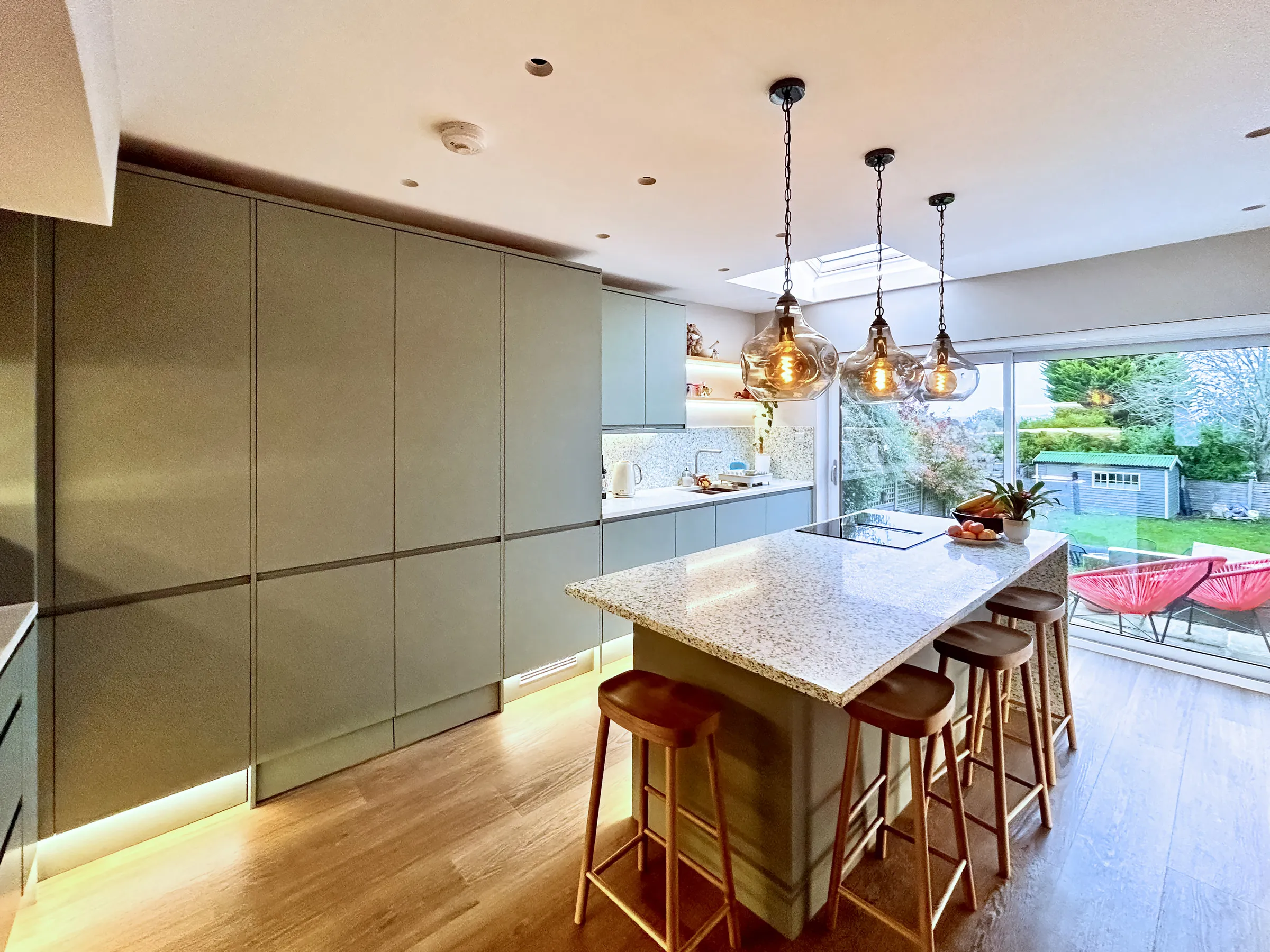
Guildford, Surrey
Guildford kitchen and ground floor renovation
A narrow kitchen and a ground floor full of through-routes, replanned so every room has one clear job and the garden is close.
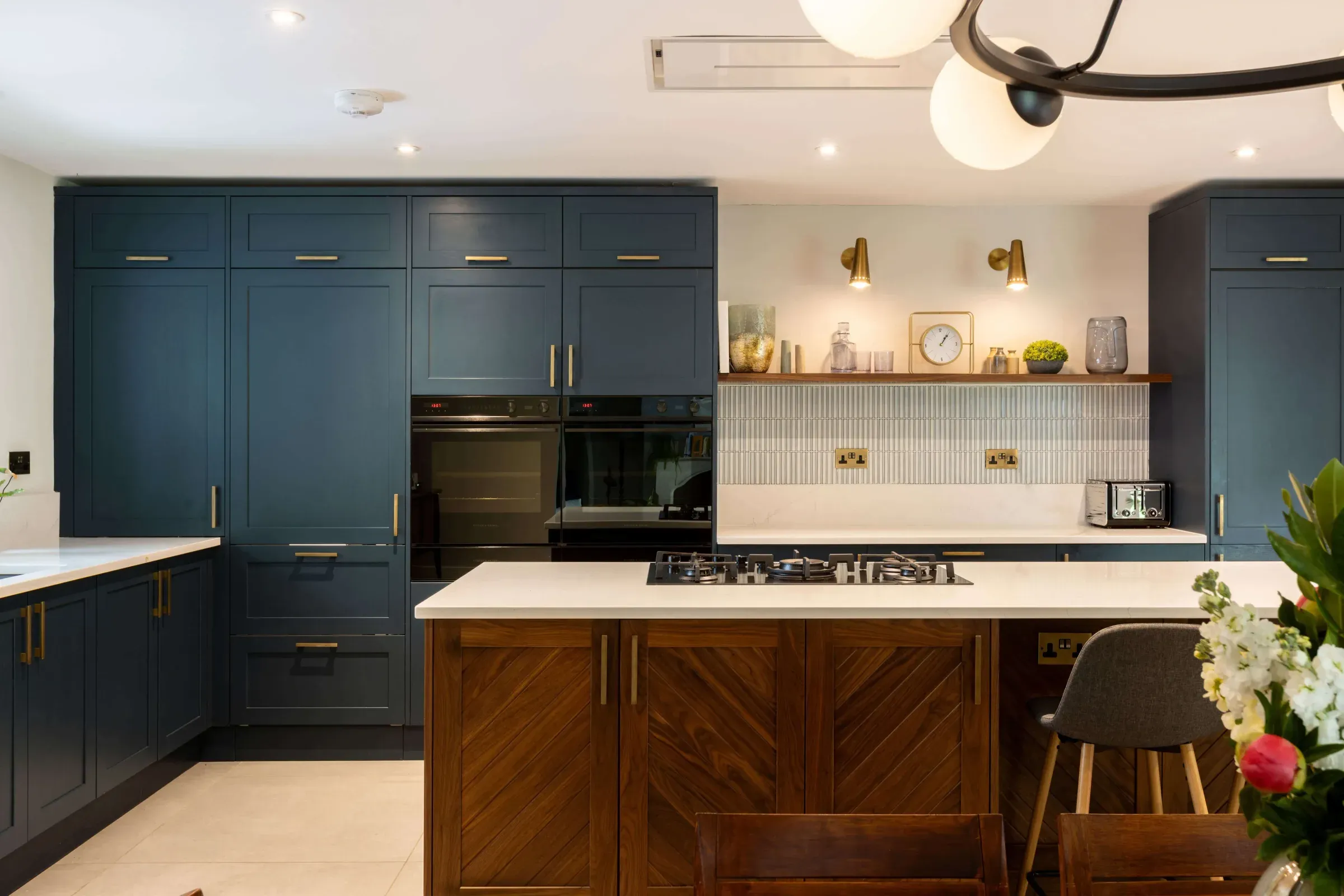
Horsell, Woking
Horsell bungalow renovation
A dated bungalow of small rooms, opened up into one main living space and brought up to date in fabric and services.
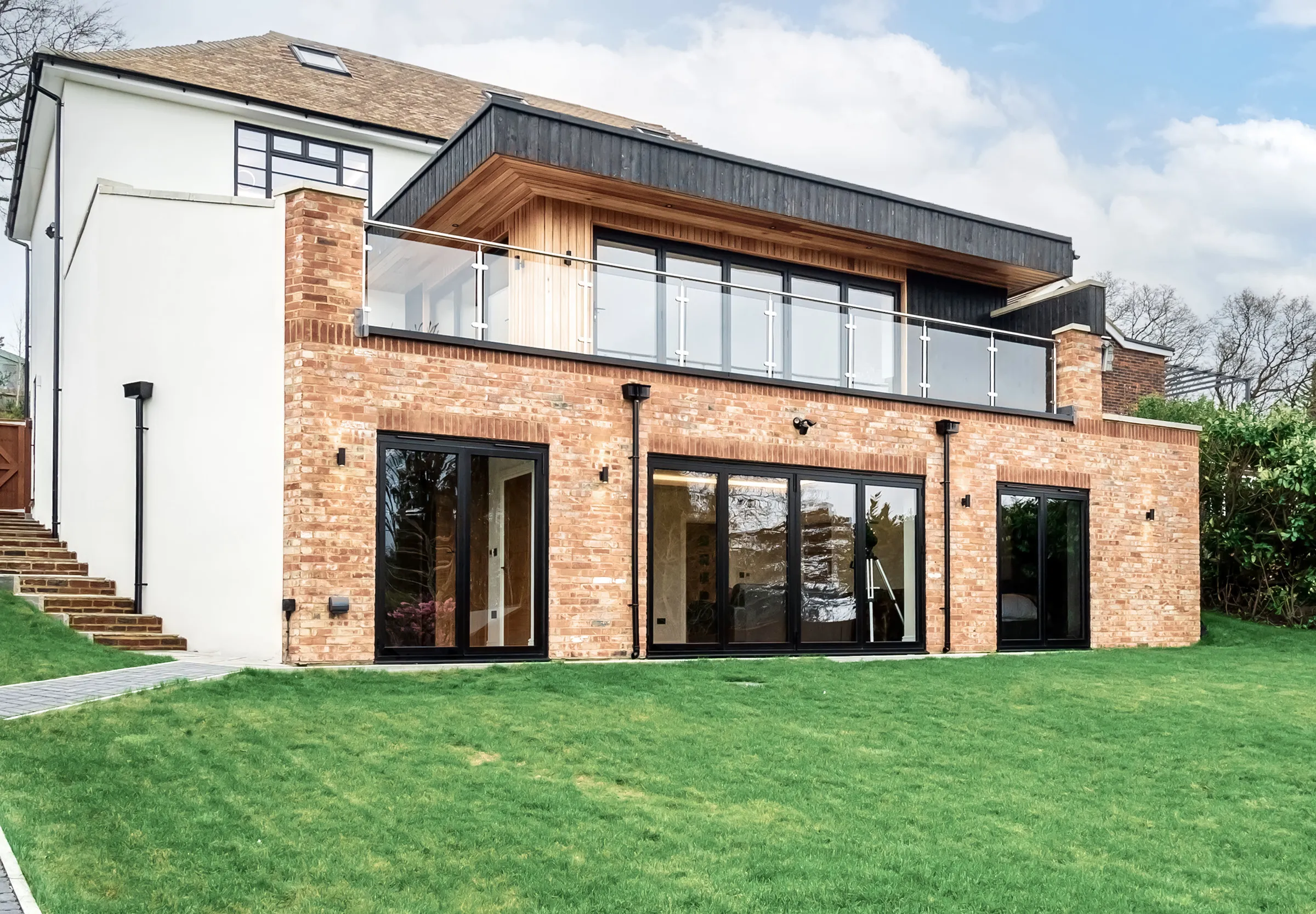
Hook Heath, Woking
Hook Heath detached house renovation
A neglected house on a slope, made structurally sound and replanned over three floors, with a full lower ground floor opening onto the garden.
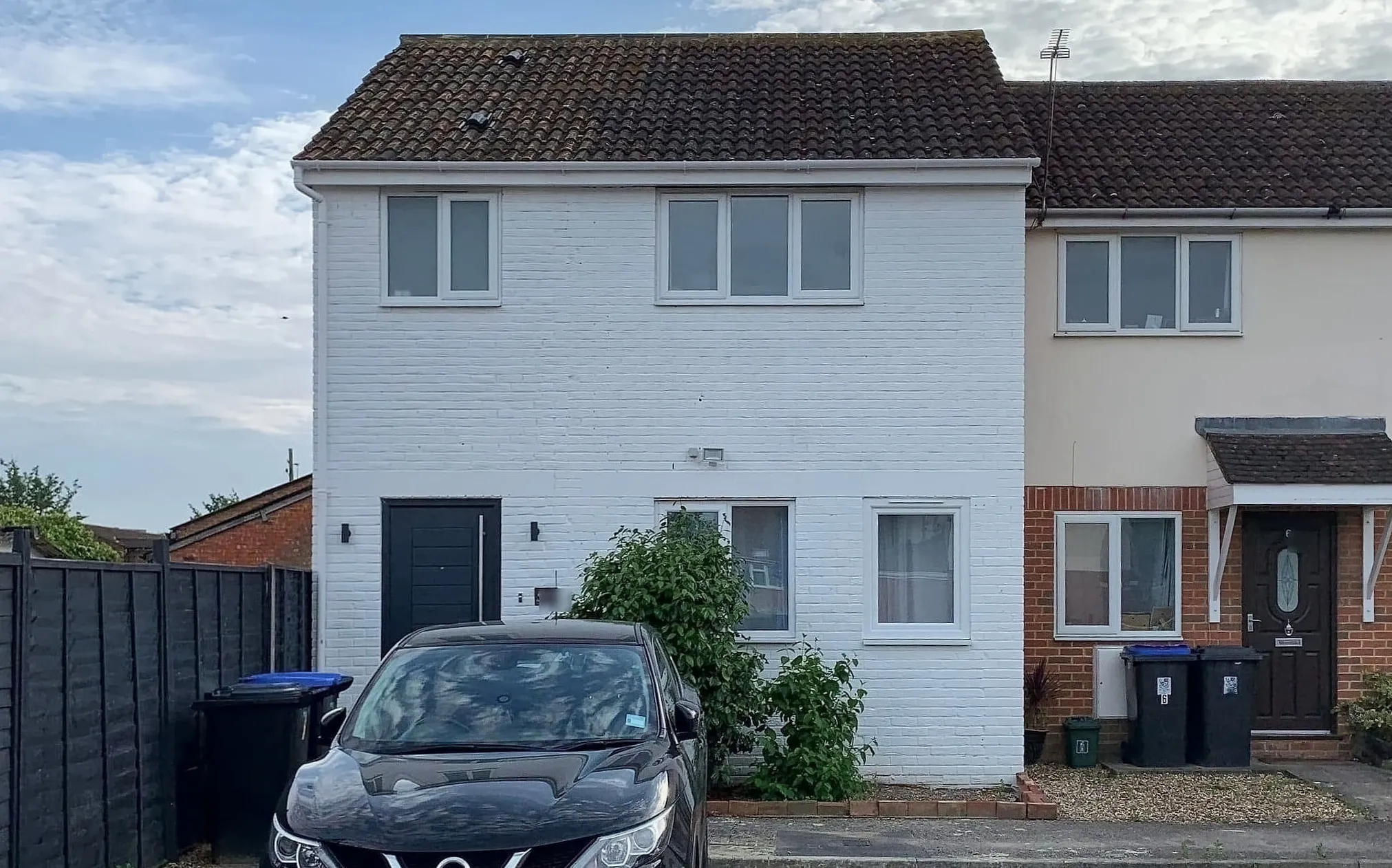
Woking, Surrey
Woking starter home extension
Our director's own first home, a one-bedroom end-of-terrace extended at the side and rear to three bedrooms, with the layout ready for a loft conversion later.
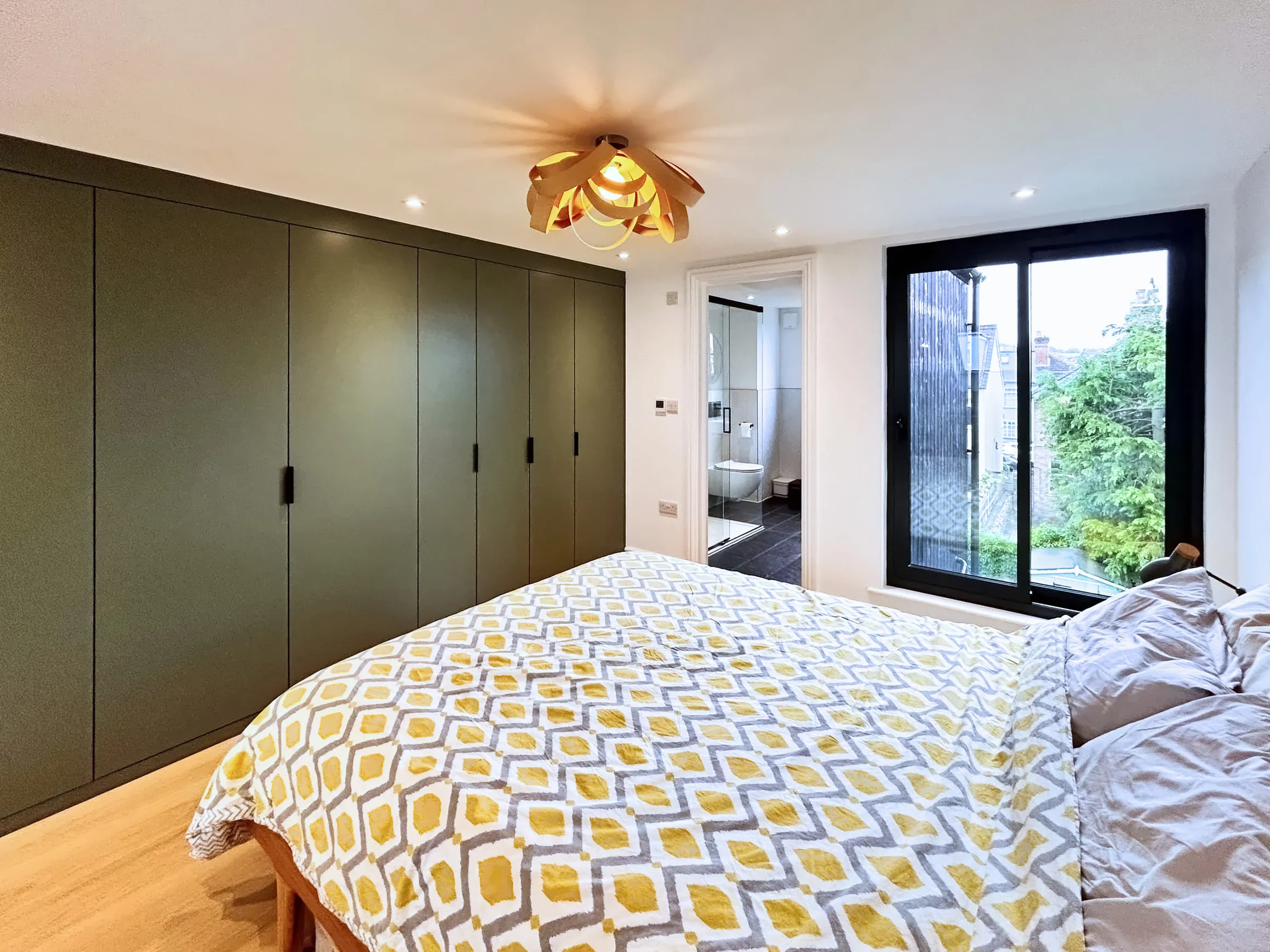
Guildford, Surrey
Guildford townhouse loft conversion
A townhouse that needed more room without growing outwards, given a new top floor with a bedroom suite, an office and storage.
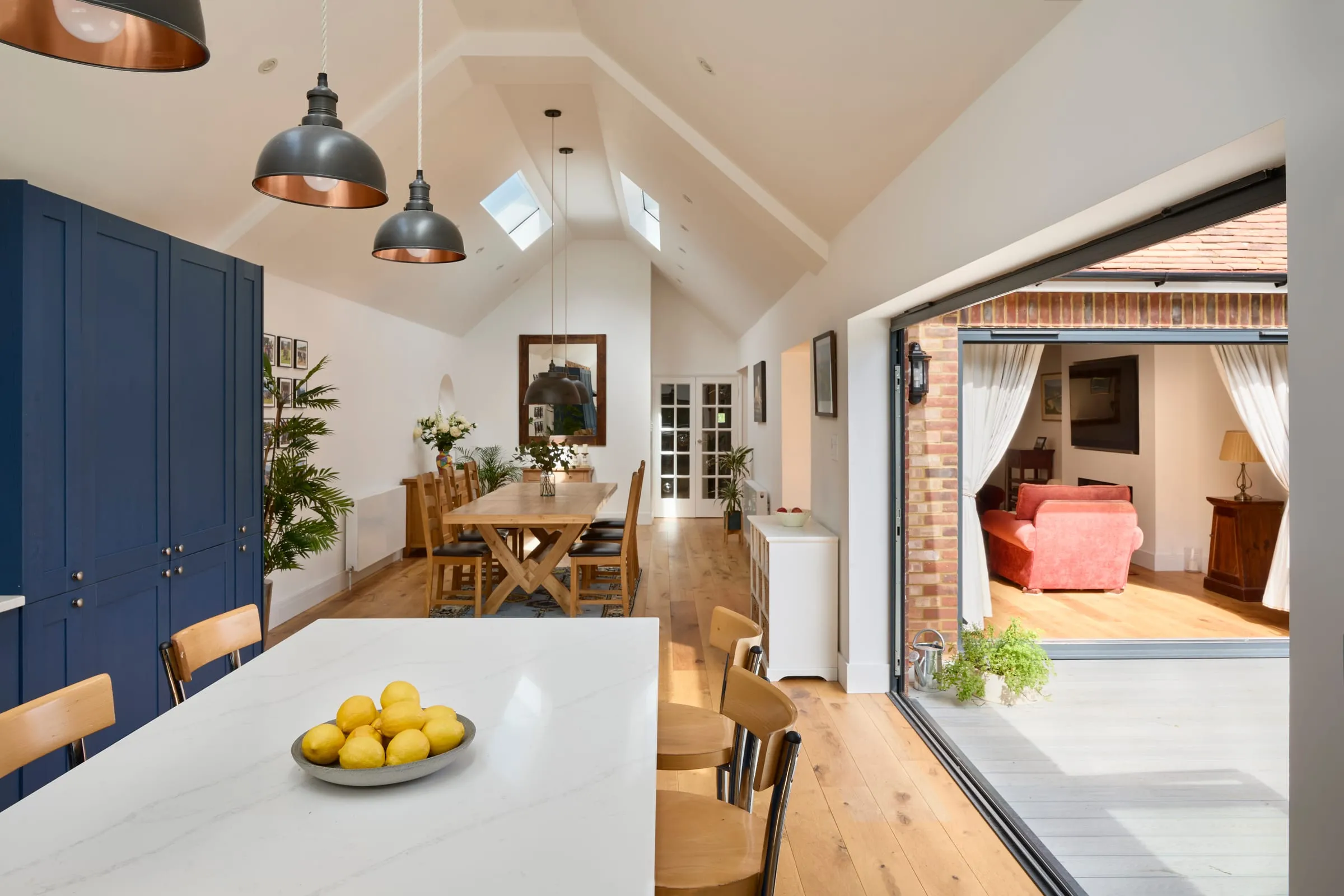
Chobham, Surrey
Chobham bungalow renovation
A dark bungalow cut off from its garden, opened up and extended into one light room with full-width doors onto the garden.
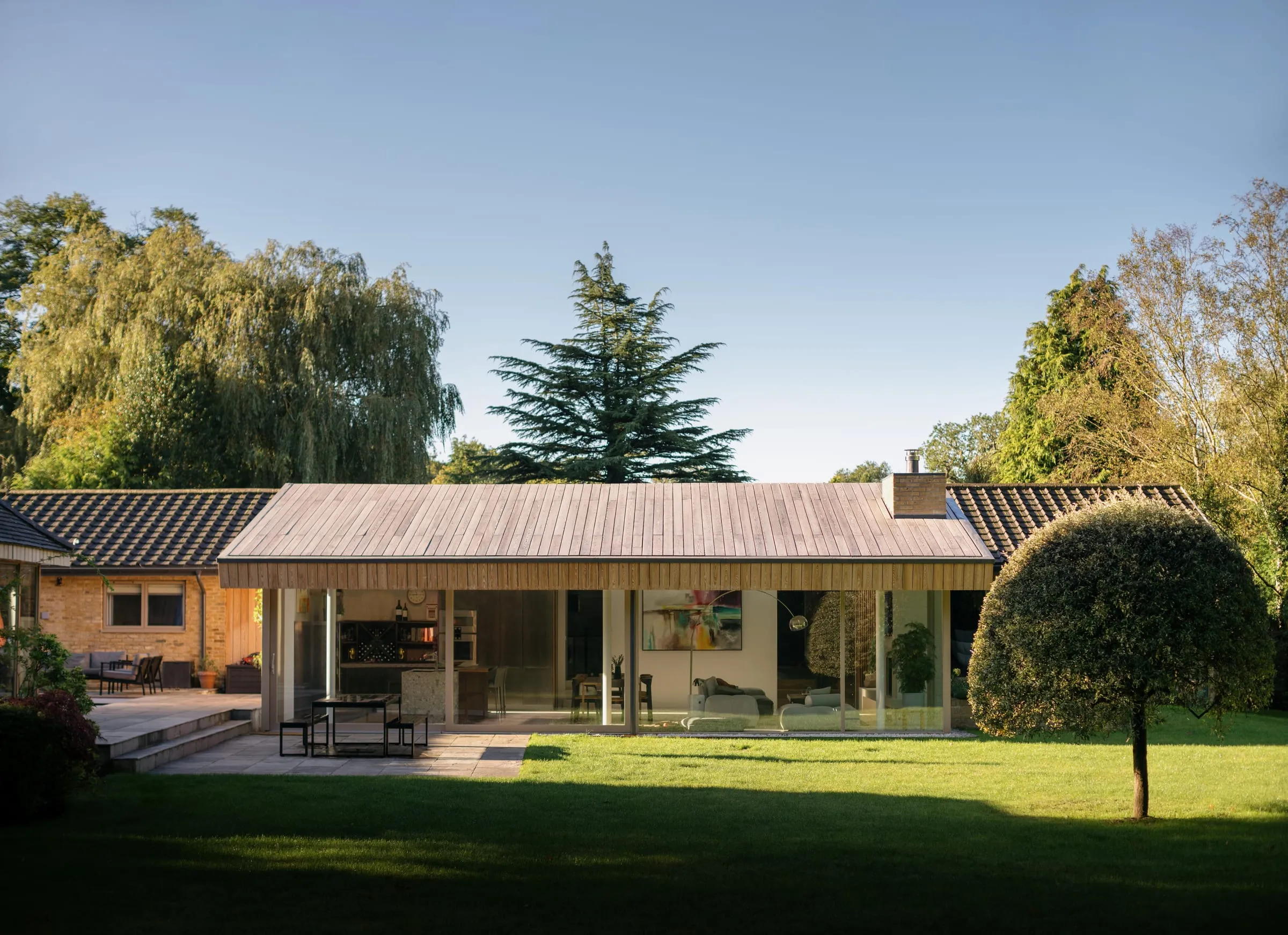
Woking, Surrey
1970s bungalow renovation, Woking
A modest 1970s bungalow, replanned and extended to give a family a light, open home connected to its garden.
Not sure where to start? Start here.
Fifteen minutes on the phone with James. There is no pressure and no obligation. Sometimes the right outcome of a call is simply a clearer head.
Book a free 15-minute Clarity Call (opens in a new tab)
James calls you at the time you pick. You describe the house and what you want to do; he tells you what he would do first and whether a Clarity Pack is worth it. No preparation needed.
No selling. Just a clear view on the smartest next step. Prefer to write? Send a short note.