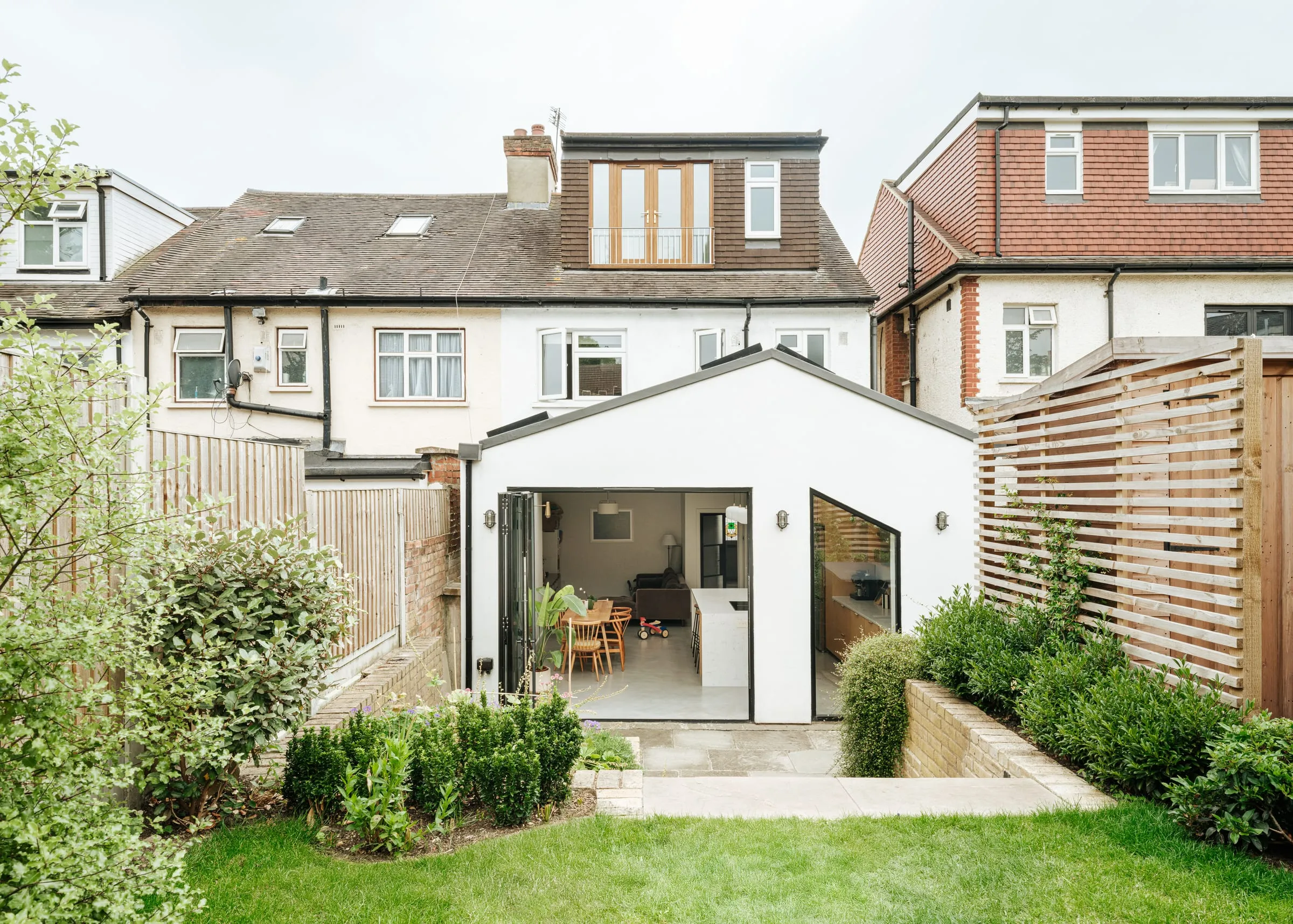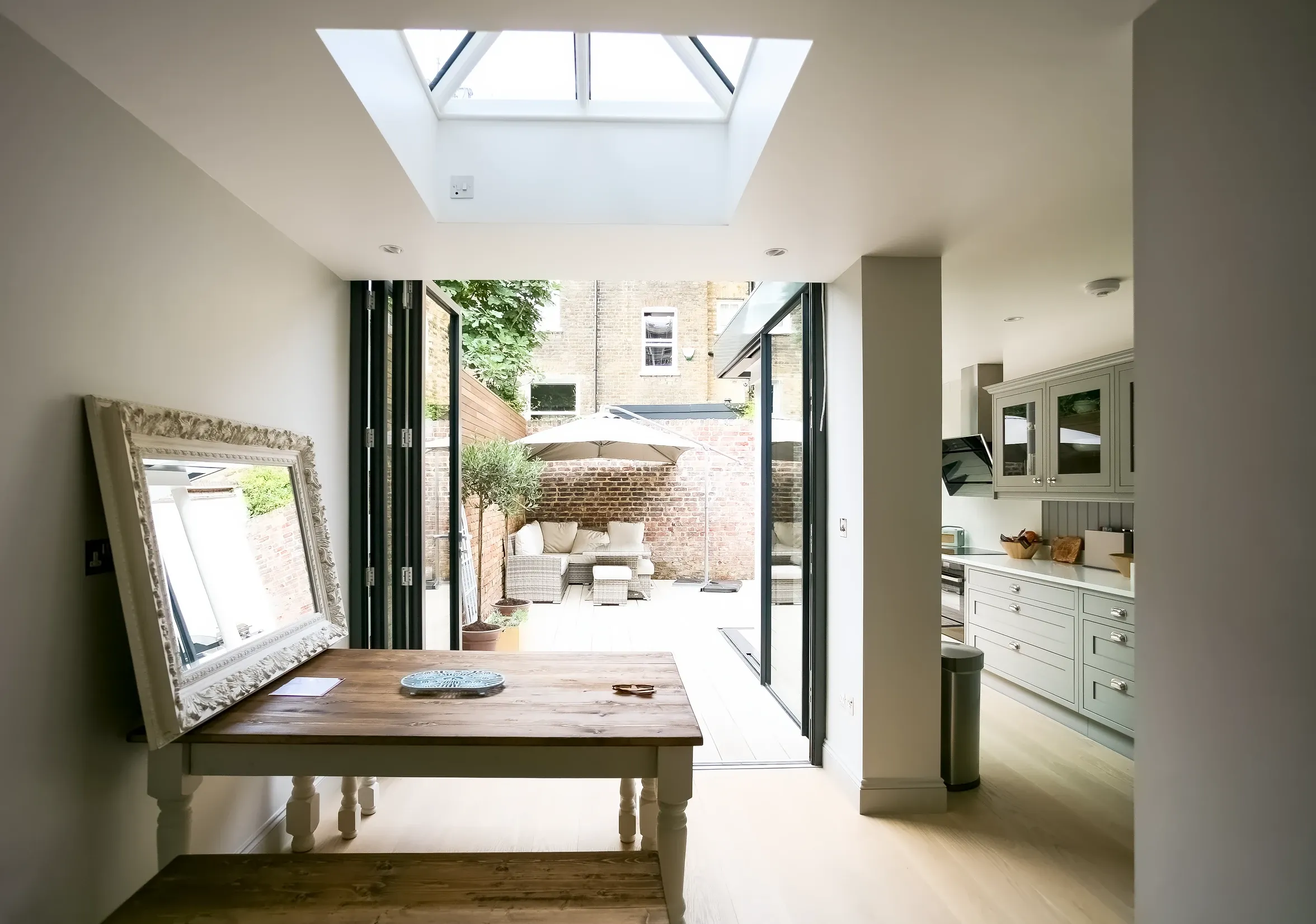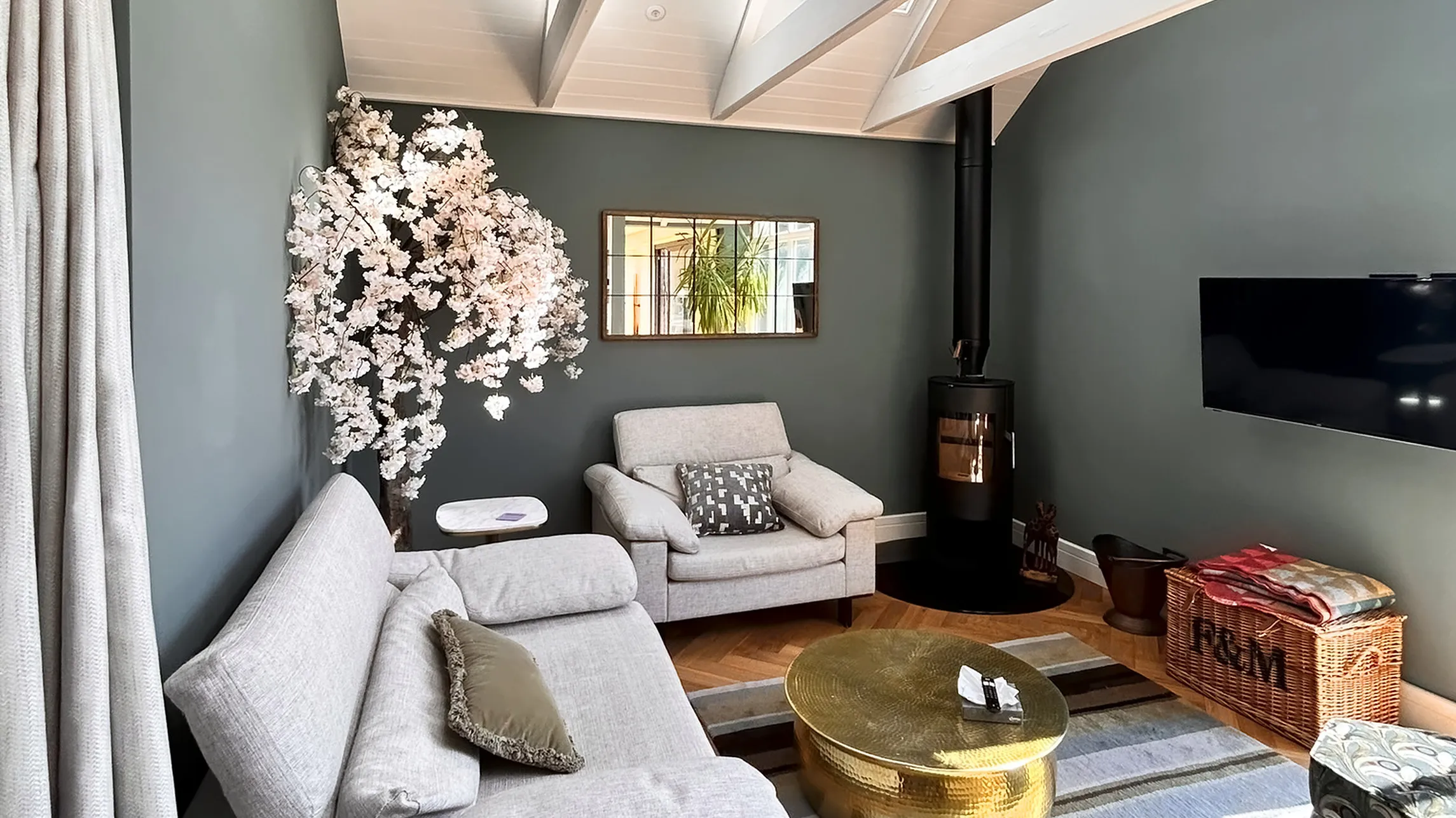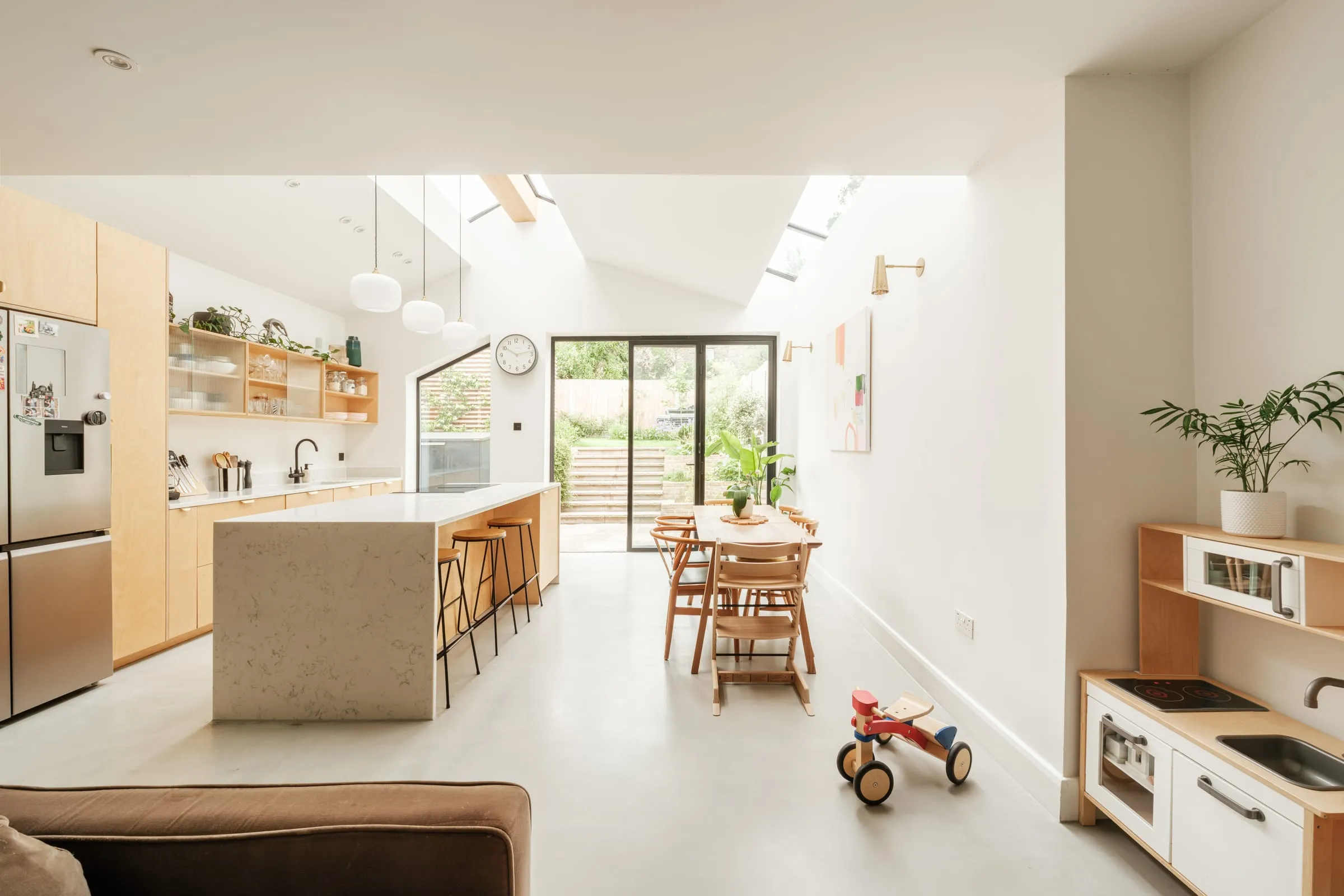
Most cost guides give you one number. A real tender gives you several, and they do not agree. This is what came back on one of our jobs in Weybridge in 2026, with the figures rounded and before VAT, and what it should tell you about your own budget.
The same drawings, three very different prices
We sent the same drawings and the same specification to the builders on the list. The prices came back in March.
- About £77,000. The lowest, but it covered only part of the work.
- About £105,000.
- About £168,000.
Leave the part price aside and compare the two that covered everything. The higher was around half as much again as the lower. Nothing about the house had changed between them. Each builder had a different view of the risk, a different workload that spring, and a different way of pricing what drawings cannot show.
This is normal. Across our tenders in 2025 and 2026, a wide spread on the same drawings is the rule, not the exception.
Why the lowest price was not the answer
The lowest figure looked like the bargain. It was not a price for the same job. Once the missing items were added back, it sat much closer to the others.
That is the work a tender comparison does. Every return is set out line by line against the same list, so you can see who has left out the drainage, who has allowed nothing for the kitchen fitting, and who has priced the steel twice. Until that is done, you are not comparing prices. You are comparing guesses about what each builder meant.
What was agreed
After the comparison, one builder revised their price to about £90,000, and the clients appointed them on a fixed price in April.
Notice what did not happen. The clients did not take the lowest number. They did not take the first number either. The agreed figure came from a conversation that was only possible because the drawings and the specification were complete enough to argue about line by line.
What it cost by the end
By the sixth valuation in August, the contract stood at about £93,000. That is around 3% above the agreed price.
A rise of that size is a good result. It is also the reason a contingency belongs in every budget. Allow 10 to 15% of the building work, and be pleased if you do not spend it.
What this means for your budget
A single figure is hiding a range. If someone gives you one number for your extension, the real answer is a spread around it. Our budget tool shows a low and a high figure for that reason, and it will tell you where your own budget sits against them.
The cheapest quote is rarely for the same job. Compare what is included before you compare the totals.
Complete drawings are what make a price mean something. A builder pricing from a sketch has to guess, and a sensible builder guesses high.
Hold a contingency back. Even on a job that goes well.
If you would like to know how we arrive at the ranges on this site, where our cost figures come from sets it out. And if you want your own project tested before anyone prices it, that is what the Clarity Pack is for.
Questions people ask about builders’ prices
Why do builders’ quotes vary so much for the same extension? Because each builder prices risk, workload and the gaps in the drawings differently. On one of our 2026 jobs the highest full price was around half as much again as the lowest, for identical drawings and specification.
Should I accept the lowest quote? Not until you know it covers the same work. A low figure often leaves items out. Set every quote against the same list, line by line, and compare them only once the gaps are filled.
How much do building costs rise after the contract is agreed? It varies with the house and how complete the drawings were. On the job described here the cost at the sixth valuation was about 3% above the agreed price. Allow a contingency of 10 to 15% of the building work.